Nullam dignissim, ante scelerisque the is euismod fermentum odio sem semper the is erat, a feugiat leo urna eget eros. Duis Aenean a imperdiet risus.
Loading
Nullam dignissim, ante scelerisque the is euismod fermentum odio sem semper the is erat, a feugiat leo urna eget eros. Duis Aenean a imperdiet risus.
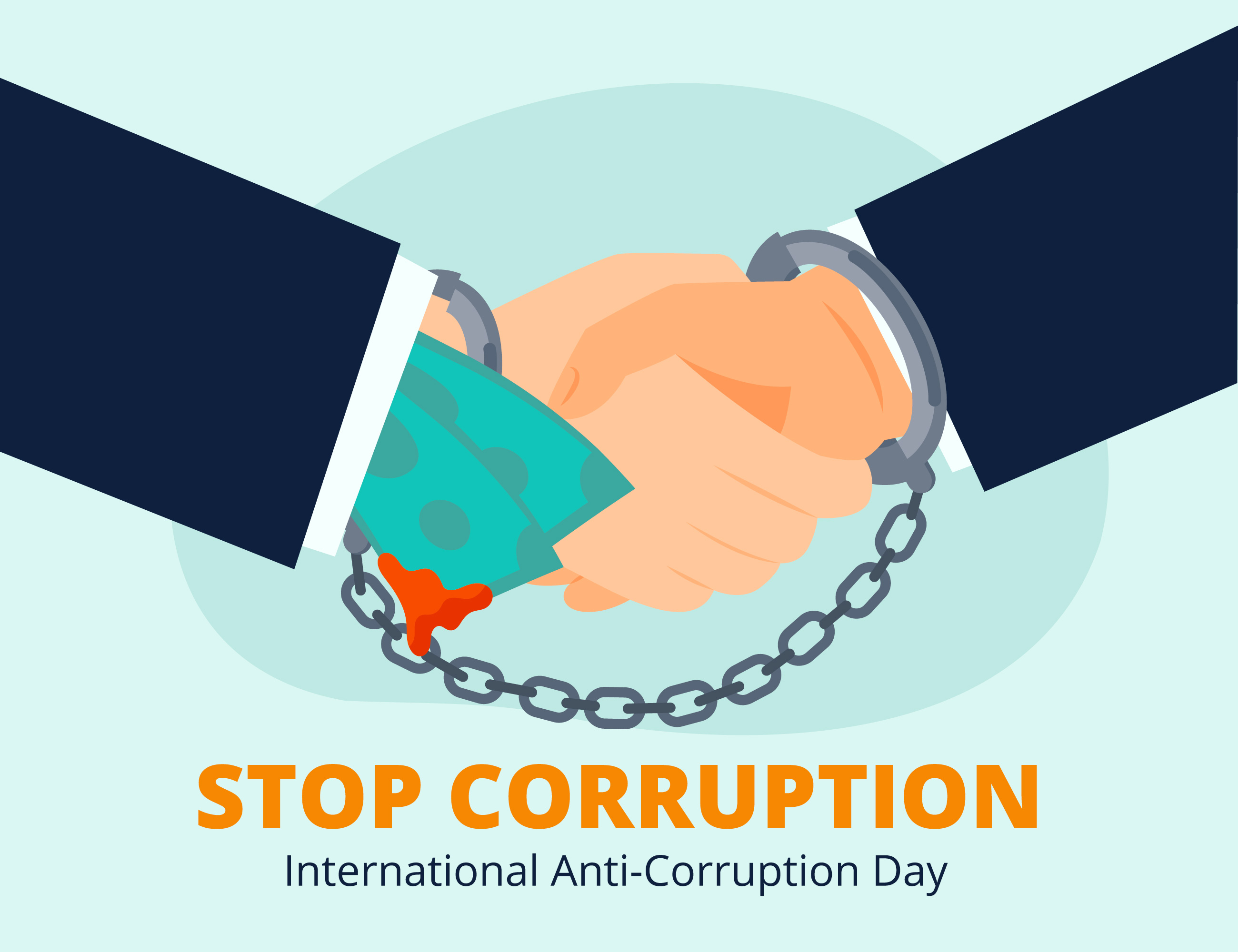
The Reality of Corruption in India
Despite progressive reforms, India continues to rank high on global corruption indices. From minor bribes at local offices to large-scale scams involving public funds, corruption impacts:
1. Delivery of government services
2. Employment and education systems
3. Infrastructure development
4. Law enforcement and justice
But this problem isn’t beyond solving—citizens are not helpless. Every small action counts.
The Youth: Torchbearers of a New India
More than 65% of India’s population is under the age of 35. That’s not just a demographic—it’s a powerful force for change. Youth have the tools, awareness, and energy to challenge corruption like never before.
How Can Young Citizens Help?
1. Say NO to Bribes:
Never pay for shortcuts. A corrupt demand should be reported, not tolerated.
2. Use Digital Tools:
Platforms like the Central Vigilance Commission (CVC), RTI portals, and mobile-based complaint apps are made for people like you.
3. Be Informed:
Educate yourself and others about citizens' rights, anti-corruption laws, and how to take action.
4. Create Awareness:
Use social media responsibly. Campaigns, reels, or even a post sharing your experience can inspire others.
5. Participate in Governance:
Join youth parliaments, local civic bodies, or NGOs working against corruption.
Tools and Mechanisms Available for Citizens
1. RTI (Right to Information):
A powerful tool to demand accountability from public offices.
2. CVC (Central Vigilance Commission):
https://portal.cvc.gov.in/
File corruption complaints against central government officials and PSUs.
3. Lokpal and Lokayuktas:
Independent bodies established to investigate corruption in public offices.
4. Whistleblower Protection Act:
Protects individuals who expose corruption.
5. State ACBs (Anti-Corruption Bureaus):
Investigate and prosecute state-level corruption cases.
Real Empowerment Comes Through Knowledge
A truly empowered citizen knows:
1. What corruption looks like
2. That they have the right to resist it
3. That reporting corruption is not risky if done through the right channels
Many citizens don’t act out of fear or ignorance. But laws in India do protect whistleblowers. And digital filing makes complaints much easier now.
What Can Schools, Colleges & Communities Do?
1. Include anti-corruption education in school and college curricula.
2. Organize workshops, debates, and street plays on integrity.
3. Form student-led vigilance groups or civic action clubs.
4. Celebrate Vigilance Awareness Week (observed every October–November) with active participation.
A Small Act, A Big Impact
Corruption will not end overnight. But if every Indian refuses to offer or accept bribes, demands transparency, and holds public officials accountable, we will see change—not in years, but in our lifetime.